
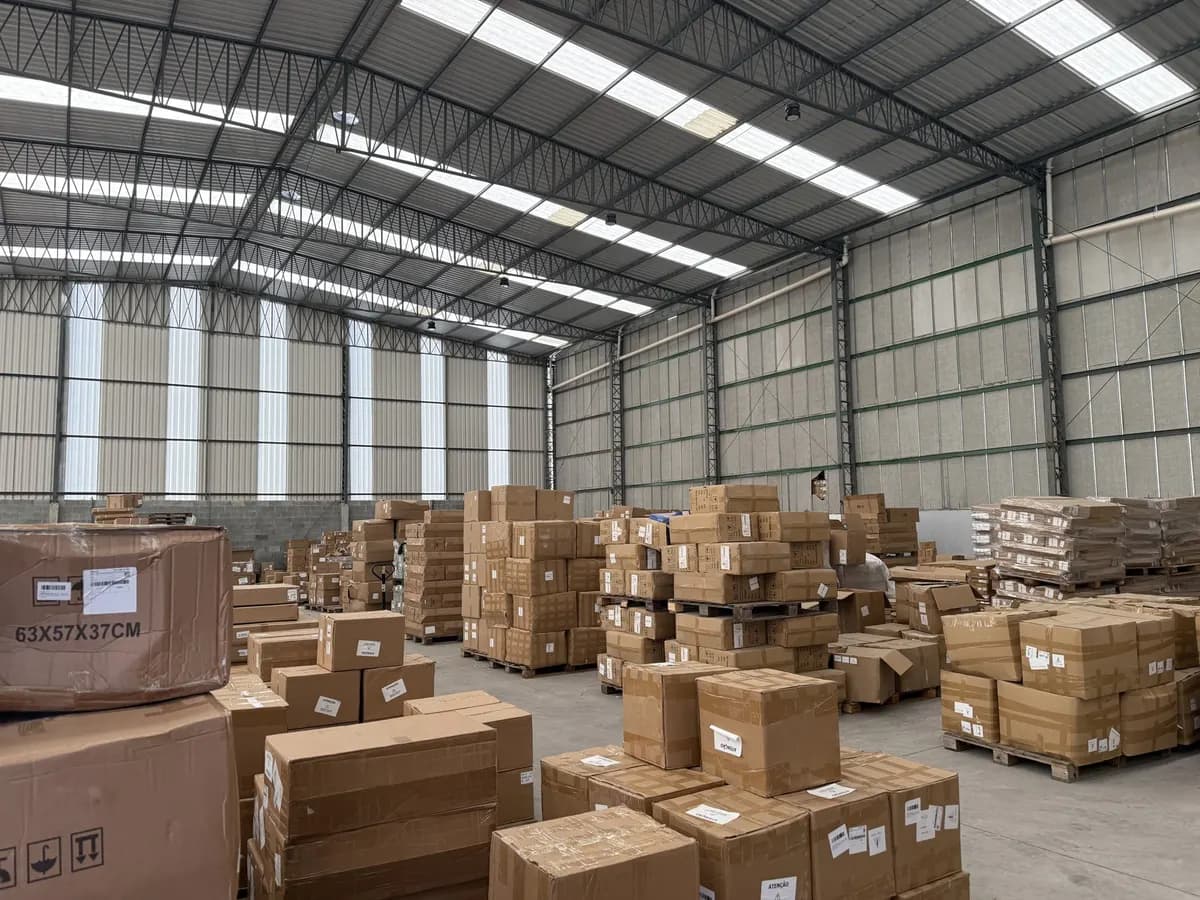
What changes when stock goes to Full or FBA
The platform stores the goods, picks, packs and delivers each order, and the listing carries the program's delivery promise; on Amazon, FBA offers are eligible for Prime. The seller pays logistics fees per unit and storage fees, which grow for goods that sit for a long time, and must keep stock levels up. Sales are still invoiced in the seller's name; both platforms offer tools that issue the sales Notas Fiscais on the seller's behalf.
Before shipping: a product ready for Brazilian consumers
An imported product sold to consumers must carry correct, clear information in Portuguese, as the Consumer Defence Code requires: what it is, composition, quantity, origin, instructions and warnings. Some products need mandatory certification before sale, such as Inmetro for toys and certain electrical items or Anatel for radio devices. A barcode (GTIN/EAN) is often required, and the NCM must be right on every Nota Fiscal.
- Labels and manual in Portuguese
- Importer details and country of origin
- Certification when mandatory
- Barcode and correct NCM
Labels and packaging
Each unit must be identified with the label or code the platform accepts: on Mercado Livre, the product label printed from the seller panel; on Amazon, the Amazon barcode label or, when accepted, the manufacturer's barcode. Labels must be readable and must not cover other codes. Packaging should protect the product through several handlings, with fragile items padded and kits sealed together. Box size and weight limits are set by each platform and change often, so check the current rules before preparing a shipment.
- One readable label per unit
- No conflicting barcodes
- Protective packaging for each unit
- Box size and weight within the platform's limits
Booking the shipment and the Nota Fiscal
The shipment is created in the seller panel: choose the products and quantities, print the labels and book the delivery or collection at the fulfillment center. The stock travels with a Nota Fiscal de remessa: a shipment for storage, not a sale, addressed to the platform's fulfillment center with the CFOP the platform's help pages indicate. The sale Nota Fiscal is issued for each order. Tax treatment can vary by state, so set up both with your accountant before the first shipment.
Restocking imported products
On Full and FBA, a product that runs out loses sales and visibility. With imported goods, the restocking cycle includes production, roughly 50 days of import, receiving and preparation, and the trip to the fulfillment center. Illustrative example: if a product sells 15 units a day and the complete cycle takes 90 days, the factory order must be placed while there is still stock for about 90 days, that is, when the total stock (fulfillment center, warehouse and in transit) falls to about 1,350 units (15 × 90), plus a safety margin. Keeping part of the stock in a warehouse in Brazil lets you refill the fulfillment center quickly without paying long-stay storage on everything.
- Daily sales per product
- Full cycle: production, import, preparation
- Safety margin for delays
- Buffer stock outside the fulfillment center
Costs to include in the price
Before choosing Full or FBA for an imported product, put every cost into the margin.
- Sales commission
- Logistics fee per unit
- Storage, higher for slow-moving items
- Freight to the fulfillment center
- Labeling and packaging work
- Removal or return of stock
When Full or FBA may not pay off
Fulfillment by the platform is not the best choice for every product. Bulky or heavy items can cost more to store and handle than they earn, slow sellers pile up storage fees, and very cheap items may not carry the logistics fee. Each platform also has its own list of products it will not take. In Mercado Livre Full, lithium batteries are prohibited and products without the required Anvisa, Anatel, Inmetro or MAPA certification are refused. Since 20 May 2026, Full also blocks extra-large items (over 20 kg, a side over 80 cm or more than 125 liters) in a list of product types that includes cleaning mops, squeegees and broom handles, so long-handled cleaning tools often cannot go to Full. Check the current list in the platform's help center before preparing a shipment. For these products, selling from your own stock, or from a partner warehouse, can protect the margin.
- Bulky or heavy products
- Slow-moving items
- Low-price items with thin margins
- Lithium batteries and uncertified products
- Extra-large cleaning tools, such as long-handled mops and squeegees
How XT Brazil supports sellers
XT Brazil keeps products in stock in São Paulo, sold from 1 carton per product. For e-commerce sellers, our team handles labeling and relabeling, sends stock to Mercado Livre and Amazon fulfillment centers, ships single units directly to your customer and takes care of warehouse work such as pick and pack, returns and repacking. You also receive white-background photos, descriptions and sales data for the products. We run 15 marketplace stores of our own and provide e-commerce services for more than 125 stores.
- Author
- XT Brazil Editorial Team
- Updated
- Oct 23, 2026
- Sources
- Código de Defesa do Consumidor, art. 31: informações em língua portuguesa
- Mercado Envios Full: guia para lojistas (Nuvemshop, 2026)
- Full: produtos extragrandes bloqueados desde 20/05/2026, com a lista de tipos de produto (OMIQ, 2026)
- Produtos proibidos no Full: baterias de lítio e itens sem certificação (Cargoos, 2026)
- Amazon e a emissão de notas fiscais no FBA (Mercado & Consumo)
- Related page
- E-commerce services