
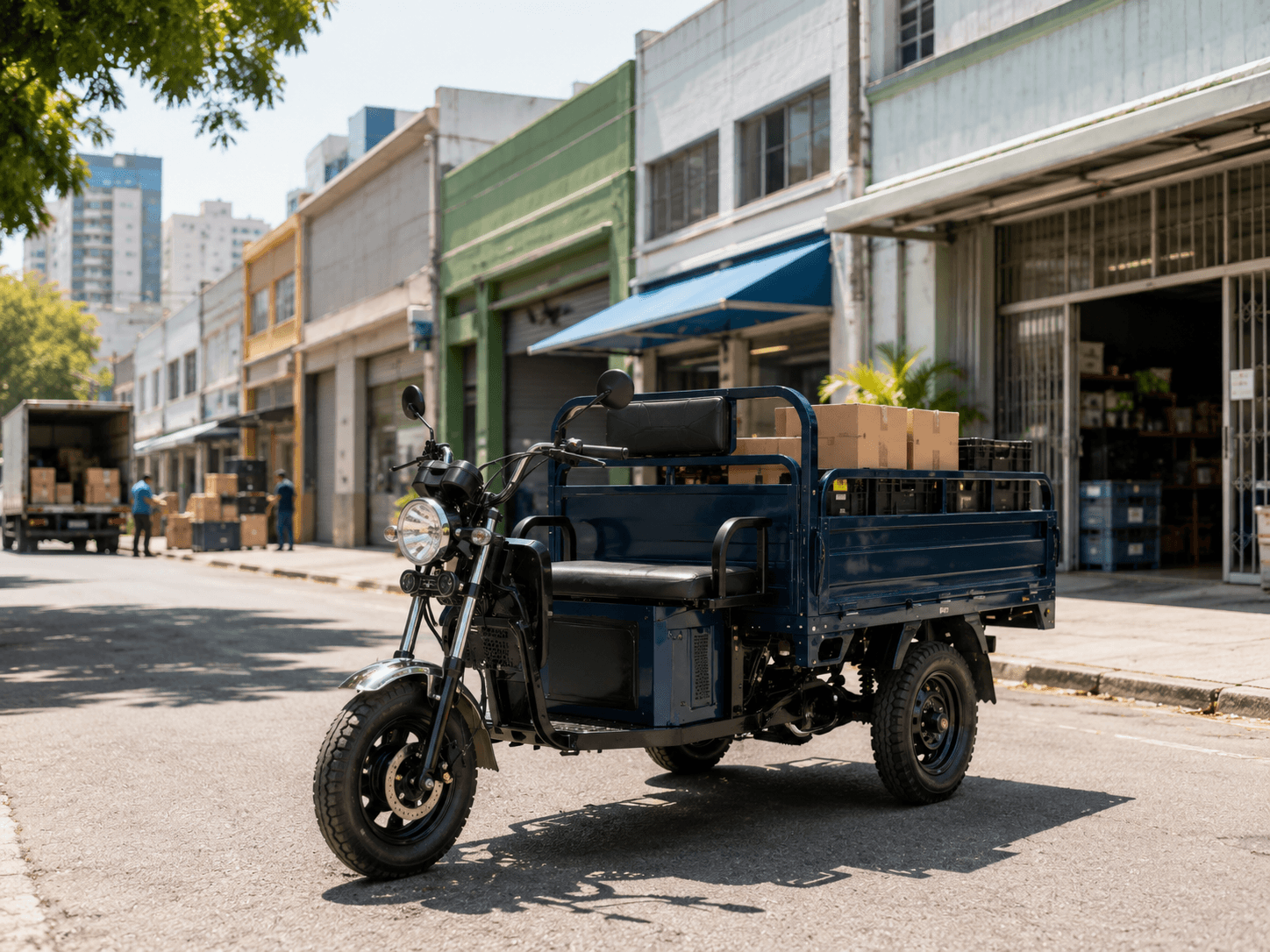
Describe the work before the vehicle
The buyer should document the normal load, occasional peak load, loading method, body requirement, number of stops, aisle or road width, gradient, surface, weather exposure, driver context and daily operating window. A warehouse aisle, farm track, gated industrial site and public road create different selection and compliance questions. The requirement should distinguish essential work from optional preferences so a proposal does not optimize a feature that has little operating value.
- Record load shape and handling, not only kilograms.
- Map the representative route, stops, turns and gradients.
- Separate private-site use from any public-road question.
- Identify normal duty, peak duty and conditions that should stop the trial.
Build the energy plan from measured use
Daily distance, operating hours, stops, surface, load, temperature, idle time and driver behavior affect energy use. The buyer should use an actual route record or representative trial instead of selecting the longest advertised range. Charging review covers the electrical supply, charger match, parking location, supervision, time window, turnaround and the consequence of a missed charge. Battery chemistry, capacity, charging time, cycle life and warranty remain selected-platform facts that require written evidence.
- Measure one complete working day.
- Confirm grid, charger, parking and supervision together.
- Define whether the operation needs spare energy capacity or another shift plan.
- Keep every range and charge-time assumption visible.
Plan downtime, parts and maintenance before scale
A vehicle that performs the route but cannot be supported is not a complete fleet solution. The buyer should classify critical tasks, acceptable downtime, wear items, local maintenance skills, tools, diagnostic evidence and escalation contacts. An opening parts package can be reviewed for the selected platform, but part numbers, compatibility, Brazil stock and price require model confirmation. Xingtu Brazil coordinates available parts information and after-sales communication; standard on-site service or automatic warranty remedies are not promised.
- Identify which failure stops a critical task.
- Separate operator checks, local maintenance and specialist work.
- Collect model, label, order and issue evidence before requesting a part.
- Set a reorder trigger around use and source lead time.
Use the pilot to close technical and operating questions
A useful pilot defines the route, load, surface, charging, operators, duration, maintenance checks, evidence and decision owner. It also states what triggers approval, revision, another test or stop. One unit can support a controlled evaluation when the selected platform and commercial terms allow it, but one result does not automatically scale to every site, driver, load or season.
- Technical gate: the vehicle performs the defined work under review.
- Operating gate: charging, handling and support fit the workflow.
- Commercial gate: quantity, delivery, parts and responsibilities are accepted.
- Compliance gate: intended use receives the responsible model-specific review.
Compare complete responsibilities without inventing TCO
A fleet can build its own economic model from confirmed purchase scope, import and delivery, charging infrastructure, operator preparation, stock, parts, maintenance, downtime, utilization and replacement assumptions. The comparison must state taxes, financing, measurement period and scenario risk. Xingtu Brazil does not fabricate fuel savings, labor savings, depreciation, resale value, ROI or total-cost results. The website supplies a decision framework; the buyer supplies and approves the financial assumptions.
Editorial record
How this guide was prepared
- Author
- Xingtu Brazil Editorial Team
- Technical/commercial review
- Xingtu Brazil Commercial Review
- Methodology
- Requirement-led synthesis based on the approved commercial architecture, real buyer questions, and documented claim boundaries.
- Evidence basis
- The article structures a commercial decision; it does not replace supplier documents, model data, regulatory review, or buyer-side operating evidence.
- Sources
- • Xingtu Brazil approved commercial architecture and public claim rules
- • Product, supplier, and operating evidence where cited and confirmed
- Regulatory review
- Jul 28, 2026
- Change log
- SEO Phase 0: metadata, language parity, and claim boundaries reviewed.
- Related commercial page
- Electric Cargo and Utility Vehicles