
How consolidated cargo works
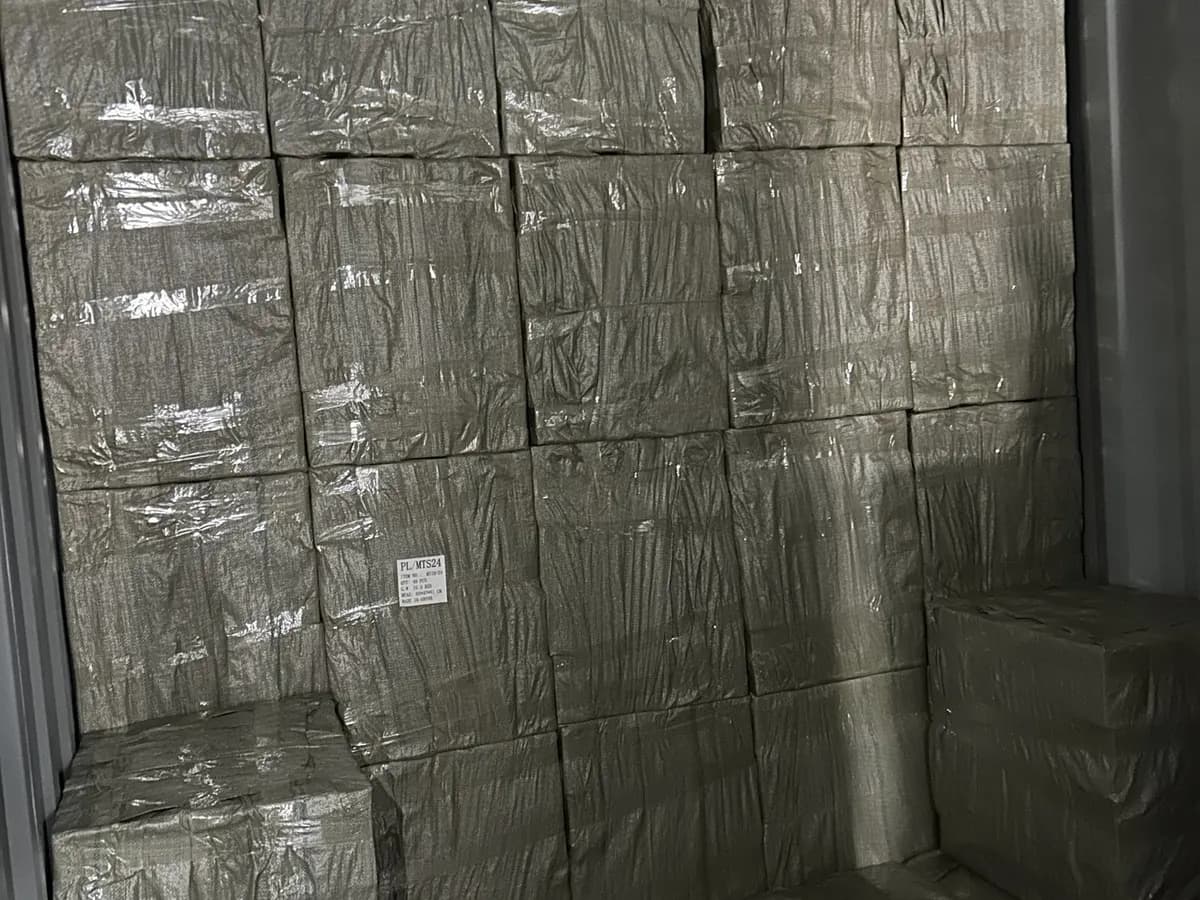
A consolidator gathers cargo from several shippers in a warehouse in China, loads it into one container and ships it as a single unit. In Brazil, the container goes to a bonded terminal, where it is unloaded and each lot is separated. Each importer then clears its own cargo with its own declaration and takes it to its warehouse.
- Cargo delivered to the consolidator's warehouse in China
- One container for several importers
- Deconsolidation at a bonded terminal in Brazil
- Each lot cleared separately
How the freight is charged
Consolidated ocean freight is usually charged per cubic meter or per tonne, whichever is greater. On top of it come origin charges (consolidation, handling, documents) and destination charges (deconsolidation, terminal handling and storage, documents). AFRMM, 8% of the ocean freight on long-haul routes, also applies. Many of these items are charged per shipment, so they weigh more on small lots.
- Freight per m³ or per tonne, whichever is greater
- Origin charges in China
- Destination charges at the terminal
- AFRMM on the ocean freight
How much fits in a container
As a reference, a 20-foot container holds about 33 m³ inside, a 40-foot about 67 m³ and a 40-foot high cube about 76 m³. Usable volume is lower, because carton sizes and stacking leave gaps. To know your volume, multiply each carton's length, width and height by the number of cartons. Example: 100 cartons of 50 × 40 × 40 cm make 8 m³.
Lead time: the clock starts before the ship
With consolidated cargo, the goods must reach the consolidator's warehouse before the cut-off date of the container. Then come the sailing, arrival, deconsolidation at the terminal, customs clearance and delivery. If the goods miss a cut-off, they wait for the next departure, so plan production and restocking around the consolidation calendar.
- Production at the factory
- Cut-off at the consolidator's warehouse
- Sailing and arrival
- Deconsolidation, clearance and delivery
When to move to a full container
As volume grows, compare the full cost of both options for the same cargo: consolidated freight per cubic meter plus fees, against a full container's fixed price plus fees. The break-even point depends on the route, the season and the terminal charges, so it has to be calculated with real quotes. A full container also means less handling, a seal applied at origin and no waiting for consolidation, but it needs more capital and storage space. Many importers combine both: a full container for best sellers and consolidated lots for new products.
- Stable monthly volume
- Fragile goods that suffer from handling
- Lead time that cannot wait for consolidation
- Space to receive a full container
How to compare consolidated freight quotes
Consolidation quotes look alike but are built differently. Some show a low freight per cubic meter and add the costs at destination later; others include them. Many consolidators also charge a minimum per shipment. Compare door to door, for the same volume and weight, with every origin and destination charge listed and the free storage days at the terminal stated. Ask in advance whether the consolidator accepts your product: some do not take lithium batteries or other dangerous goods in shared cargo.
- Freight per m³ and the minimum charged
- Every origin and destination charge listed
- Free storage days at the terminal
- Whether your product is accepted in shared cargo
Care points for shared cargo
Consolidated cargo is handled more times than a full container, so packaging and documents matter more.
- Export cartons that withstand stacking
- Clear shipping marks with importer and carton number
- Palletizing and stretch film when possible
- Correct NCM and documents for each lot
- Cargo insurance
- Lithium batteries and other dangerous goods follow their own transport rules
How it works with XT Brazil
Small lots join the shared container that leaves every month, from about 5 m³. Our team inspects the goods at the factory before loading, our own team handles customs clearance, and each shipment is quoted with every cost listed. The import takes about 50 days from the factory to clearance in Brazil. No RADAR? XT Brazil imports in its own name and sells to your company with a Nota Fiscal.
- Author
- XT Brazil Editorial Team
- Updated
- Oct 23, 2026
- Sources
- Related page
- Shared container every month