
What the first batch has to answer
Write the questions down before ordering. A useful first batch tells you whether the product sells in your own channel, what margin is left after the landed cost and returns, how long the whole cycle really takes and whether the documents and labels work.
- Sell-through: how many units sold in how many weeks
- Margin after landed cost, marketplace fees and returns
- Real lead time, from the order to the goods on your shelf
- Complaints and returns: what customers say about the product
Size it by sales, not by the minimum order
Start from what you expect to sell and how long the goods take to arrive. A simple rule: the first batch covers the sales you expect until a second order could arrive, plus a small margin. If the factory's minimum is far above that, negotiate a smaller first lot, split the minimum across the two or three colors or models you really want to test, or start with stock already in Brazil.
- First batch ≈ expected monthly sales × months until a reorder could arrive + a margin
- Example with made-up numbers: 150 units a month and about 3 months until a reorder arrives give about 450 units, plus the margin
- A few models with more units each teach you more than many models with a few units
- A shared container lets a small lot travel without paying for a whole container
Check the documents before you pay
Document problems are cheaper to find before production. Classify the product in the NCM, because the code sets the import taxes and shows whether an import license or certification may be needed. Check whether the item is one that Inmetro or Anatel requires to be certified, and plan the label: the Consumer Protection Code requires correct, clear information in Portuguese. Approve a sample and a written specification before production, and inspect the goods before shipment.
- NCM code confirmed with the customs broker
- Inmetro or Anatel certification, where it applies
- Label and manual in Portuguese
- Approved sample, written specification and inspection before shipment
Work out the landed cost before deciding
Compare the price of the product delivered in Brazil, not the factory price: freight and insurance, import taxes, customs and port fees, inland transport and your share of the shared container. In a small batch the fixed costs of each shipment weigh more per unit, so the first landed cost is usually higher than later ones. Judge the product by the margin it would have at the volume you plan to reach, and check that the first batch still pays for itself.
- Use the same cost lines in every quote
- Separate the fixed costs of each shipment from the costs per unit
- Recalculate at the volume of a normal reorder
Decide the next step with numbers set in advance
Before the goods arrive, write down which result means reorder, adjust or stop. Without that, a slow product tends to get a second chance it does not deserve, and a good one gets reordered too late.
- Reorder: the batch sells at the planned pace and margin
- Adjust: it sells, but the price, color, packaging or listing needs to change
- Stop: it stays slow even after the price and listing are corrected
- Example with made-up numbers: reorder if 60% of the batch sells within 8 weeks with a margin of at least 25% after returns
How XT Brazil fits a small first import
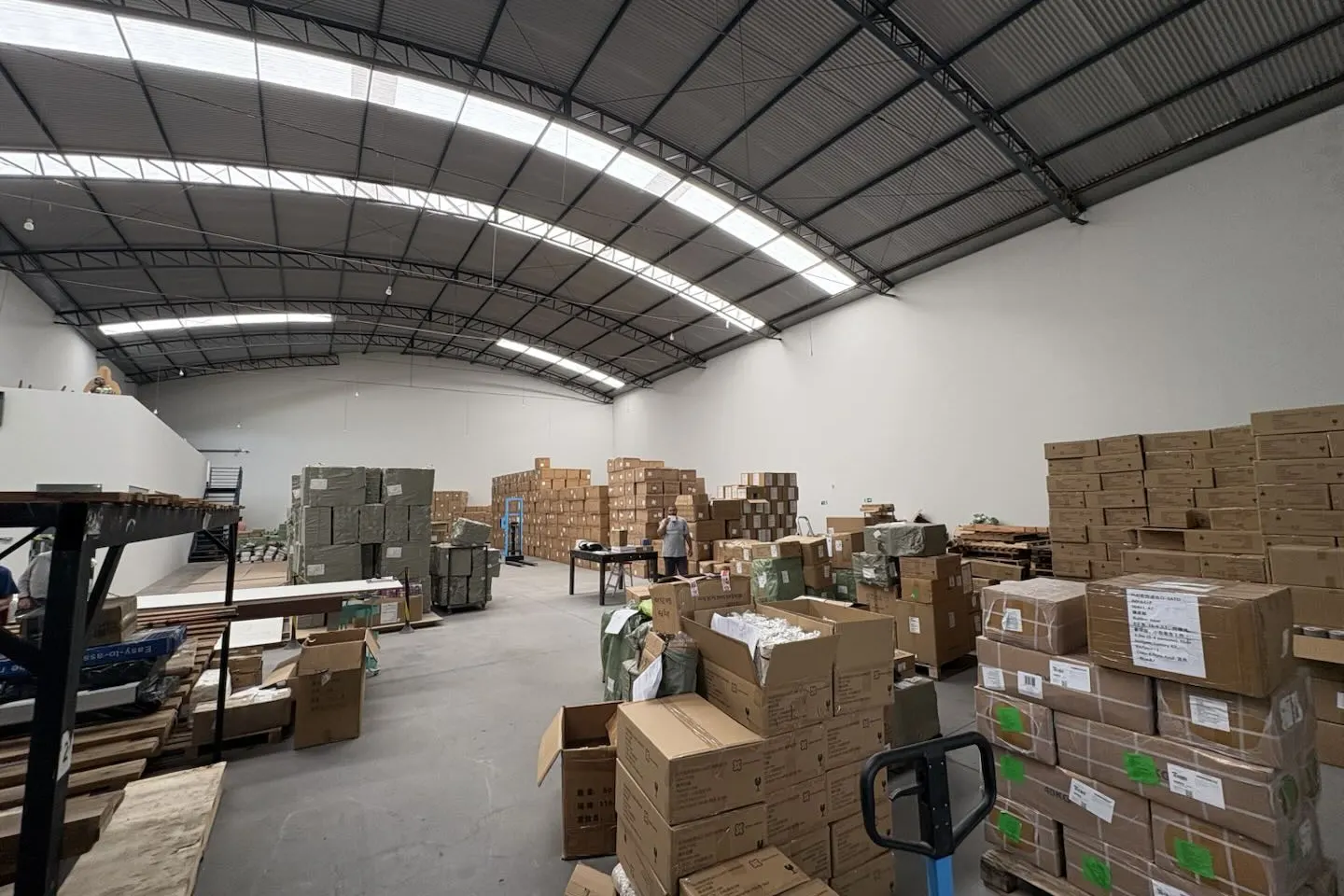
You can test some products with cartons from XT Brazil's stock in São Paulo, from 1 carton per product. When a product is ready to be imported, our team in China sources and inspects it, and small lots travel in the shared container that leaves every month, from about 5 m³. The import takes about 50 days from the factory to customs clearance in Brazil, and you buy from a Brazilian company, with a Nota Fiscal.
- Author
- XT Brazil Editorial Team
- Updated
- Oct 23, 2026
- Sources
- Related page
- China sourcing